
I recently shared with special needs parents how burnout shows up in our lives, and how naming it is the first step to healing and finding strength again. This is a topic close to my heart, and something that I have struggled with as a parent myself.
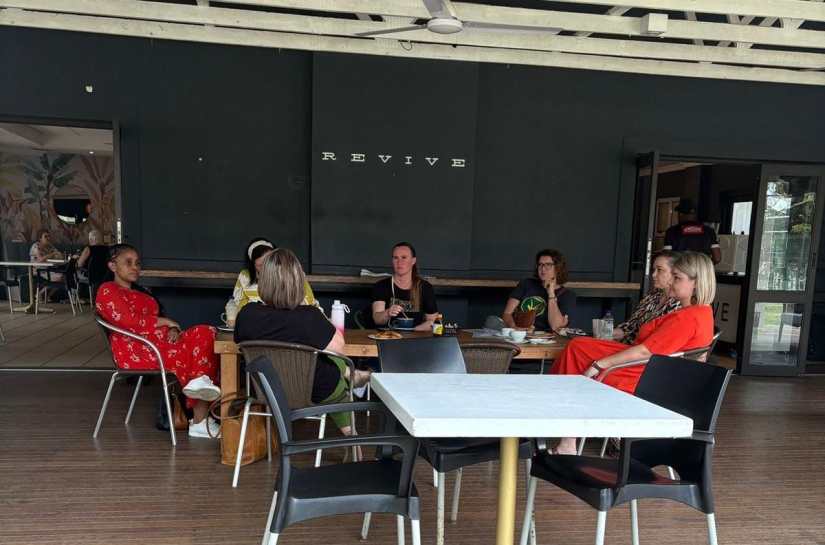
Burnout happens when we spend more of our ‘resources’ than we are gaining. These resources are our time, our energy, our finances, our mental capacity or our spiritual life. Think about it as anything that drains you is spending your resources. Let’s be real this is the truth for most parents but it is exceptional prevalent for parents in my community.
I think the most important thing to realise is that it is not a question of ‘if’ it is a question of when. Whether it is late nights, broken sleep, the worry for your child in their day to day life or even the hypervigilance you have to slight changes in their moods. All of these things take a big toll on you. If we are not careful we can slowly but surely dip into burnout without realising what is happening. Catching burnout early helps us manage the symptoms better.
Here are 3 signs of burnout to watch out for in your life:
Emotional Exhaustion: No amount of rest, time off or sleep seems to touch sides for you.
The constant caregiving demands, medical appointments, therapies, and advocating can leave us feeling drained, overwhelmed, and unable to recover.
- Examples in this context:
- “I feel completely used up every day.”
- “I often feel like I don’t have energy for myself.”
Depersonalization: this means you feel removed from yourself and your child’s needs. What has driven you or motivated you in the past now makes you feel a little numb.
- This could show up as feeling distanced from your family and your children—feeling numb, detached, or guilty about being less present, sometimes resenting the constant demands.
- Examples in this context:
- “I sometimes feel I am just going through the motions.”
- “I catch myself being short-tempered with my child or others.”
Reduced Personal Accomplishment: this means that where you used to feel a sense of achievement, celebration and joy is now replaced with a sense of distance, maybe even less care than before.
- You may feel like nothing they do is enough, or that you are failing compared to other parents. Comparison often kills the joy, we know that with special needs children progress or reaching milestones can be slow or non-linear, it’s easy to discount the impact of yours and their hard work and efforts.
- Examples in this context:
- “I don’t feel effective as a parent.”
- “No matter what I do, it doesn’t feel like enough.”
Ok so how do we cope with the burnout. For me there are a couple of important things to do. In this article I have focused on only a couple. If you are interested in more please reach out to me directly.
- Find a group or community that you can be vulnerable in, I mean authentically vulnerable. This could be friends, church, other special needs parents who just get it. It is not that they can change the environment; but they can just sit in it with you and love you through it.
- Find the support of people around you who can lighten the load: this could look like babysitting; helping you with a meal from time to time, finding the right school who love, challenge and support your child. It can look like not advocating 100% of the time (i.e. choosing your battles according to your capacity).
- Have some real conversations in your marriage about where you can support each other. Some important things to cover are: what mental and physical load can be shared; how are you really feeling; what capacity do you have right now; what you need and why it is important.
- Find out what restores your energy. In my support group it ranged from walks on the beach, time alone, going to the gym, connecting with your spouse. It can be anything you walk away from feeling rejuvenated and lighter. For me personally it is walking closely with Jesus, having time with my husband and working out a few times a week that gives me energy.
- Remember as hard as it is: comparison is the thief of joy. It robs you and replaces your joy with sadness. It changes the celebration to it should have been or it could have been. This, I think might be the toughest lesson to learn when our children are young. But it is the most powerful lesson to learn.
If you are interested in exploring this through coaching please reach out via the following link and book a session: https://sarahrogerslifecoachbooking.as.me/?appointmentType=13433225
 Coach & Facilitator